
Mastering the Art of Crafting Wreaths with Meedee Ribbon
Table of Contents
Summary
At Meedee Ribbon, we provide the finest ribbons and expert guidance to help you turn basic materials into stunning creations. Whether you’re in retail, event planning, floral design, fashion, or gift packaging, this guide unveils how ribbon roses can elevate your projects with unmatched elegance.
Why Craft Ribbon Roses?
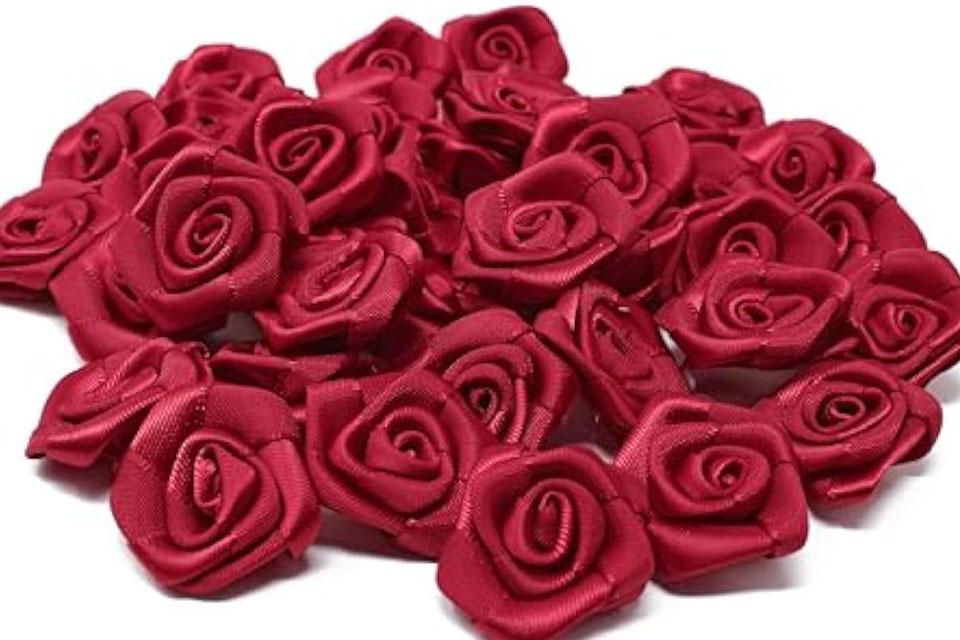
Ribbon roses represent the perfect fusion of functionality and beauty. By repurposing leftover ribbons, you contribute to sustainability while creating handmade embellishments for diverse applications. From weddings to corporate events, these roses can be customized to suit any theme or aesthetic.
The Science Behind Choosing the Right Ribbon
Crafting a ribbon rose requires an understanding of ribbon properties. Here’s a breakdown of the ideal ribbon types:
| Ribbon Type | Characteristics | Benefits | Best Applications |
|---|---|---|---|
| Satin Ribbon | Smooth, glossy finish | Creates delicate, elegant roses | Wedding décor, gift wrapping |
| Grosgrain Ribbon | Sturdy, textured appearance | Adds structure and visual interest | Floral arrangements, home décor |
| Wired Ribbon | Contains wire for shaping | Not recommended for natural-looking roses | Large bows, structural projects |
Key Tip: Avoid wired ribbons for rose-making as they may leave visible creases, disrupting the organic look.
Step-by-Step Guide to Making Ribbon Roses
Mastering the art of ribbon roses involves precision, patience, and the right technique. Below is a detailed, scientific breakdown of the process:
Step 1: Select and Prepare Your Ribbon
- Choose Material: Satin or grosgrain ribbons, 1/8 inch (0.32 cm) wide, are optimal.
- Cut Length: For medium-sized roses, cut 8 inches (20 cm). Adjust length for size variations.
- Prevent Fraying: Apply a liquid fray stopper to edges for longevity.
Step 2: Fold the Ribbon
- Corner Fold: Create a 90-degree angle for a precise base.
- Overlapping Fold: Secure the center by folding one loose end over the midpoint.
Step 3: Form the Rose Shape
- Alternate folds to build a square base. Keep folds tight and proportional.
- Pinch the folds to stabilize the shape during the process.
Step 4: Finalize and Secure
- Threading: Pull a loose end through the center hole to create a layered effect.
- Twisting: Rotate the center to form petals.
- Securing: Knot the loose ends and trim excess material.
Pro Tip: Use tweezers for intricate adjustments and glue for added stability.
Creative Applications of Ribbon Roses
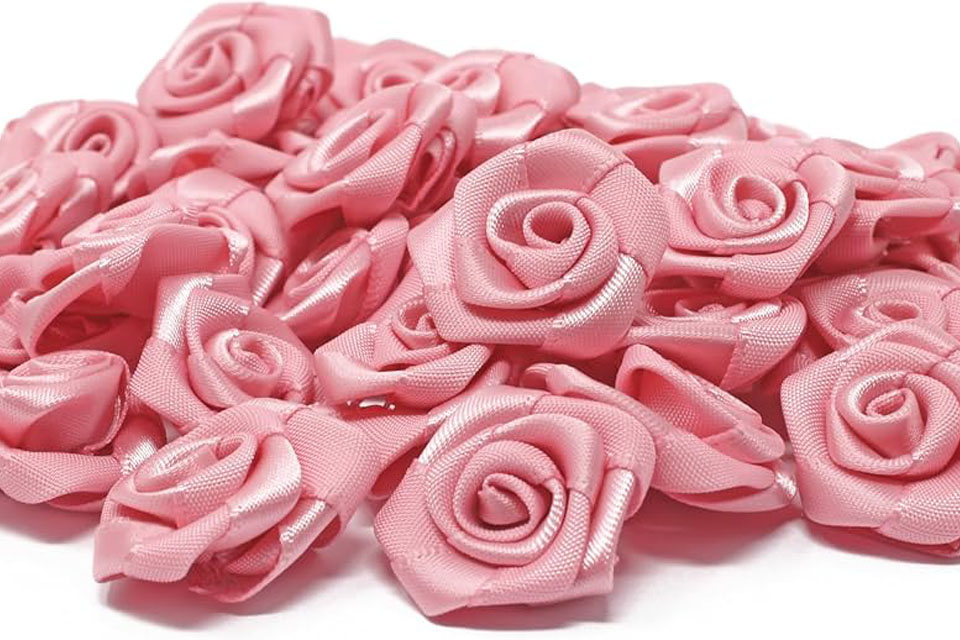
Ribbon roses are versatile and suit a wide range of industries. Here’s how our customers use them:
Event Planning and Decoration
- Wedding Centerpieces: Enhance tablescapes with handmade roses.
- Festive Décor: Incorporate into holiday arrangements for a unique touch.
Fashion and Apparel
- Clothing Embellishments: Add roses to dresses, jackets, and handbags for a bespoke look.
- Accessories: Craft headbands or brooches to match seasonal trends.
Gift Packaging
- Personalized Wrapping: Replace standard bows with ribbon roses for an elegant finish.
Floristry and Home Décor
- DIY Bouquets: Combine ribbon roses with fresh or faux flowers.
- Decorative Accents: Attach roses to cushions or curtains for a refined aesthetic.
FAQs
Which ribbon width is best for crafting roses?
The ideal width is 1/8 inch (0.32 cm) for small roses. For larger designs, opt for widths up to 1 inch (2.54 cm).
How can I make my roses look more realistic?
Choose satin ribbons in natural hues, such as blush pink or deep red, and twist the petals loosely for a lifelike appearance.
What tools are essential for making ribbon roses?
You’ll need sharp scissors, tweezers, and optional liquid fray stopper or glue for securing edges.
Can ribbon roses be made using printed or patterned ribbons?
Yes! Patterned ribbons add a unique flair. However, ensure the pattern aligns with your project’s theme for a cohesive look.
How can I keep my ribbon roses intact during storage or transport?
Store them in a sturdy box with tissue paper to maintain their shape and prevent damage.
Are wired ribbons suitable for beginners?
Wired ribbons are not recommended for roses but can be used for other structured crafts.
The ideal width is 1/8 inch (0.32 cm) for small roses. For larger designs, opt for widths up to 1 inch (2.54 cm).
Choose satin ribbons in natural hues, such as blush pink or deep red, and twist the petals loosely for a lifelike appearance.
You’ll need sharp scissors, tweezers, and optional liquid fray stopper or glue for securing edges.
Yes! Patterned ribbons add a unique flair. However, ensure the pattern aligns with your project’s theme for a cohesive look.
Store them in a sturdy box with tissue paper to maintain their shape and prevent damage.
Wired ribbons are not recommended for roses but can be used for other structured crafts.
Conclusion
Ribbon roses are more than decorative accents; they are a gateway to innovation and creativity. At Meedee Ribbon, we empower you with the finest materials and detailed guidance to craft with confidence. From event planners to florists, our ribbons help you elevate your designs to unparalleled sophistication.
Key Takeaways
- Choose Premium Materials: Satin and grosgrain ribbons are best.
- Follow Step-by-Step Techniques: Master folds and twists for precision.
- Explore Versatile Uses: From fashion to floristry, ribbon roses shine in any domain.
Elevate your craft today with Meedee Ribbon—your trusted partner in ribbon innovation.
Comments
Ribbons
-
Satin Ribbons
-
Grosgrain Ribbons
-
Cotton Ribbons
-
Organza Ribbons
-
Velvet Ribbons
-
Special Occasion Ribbons
-
Wired Ribbons
-
Festival Ribbons
-
Ribbon Bows
Custom Cases
Blogs
Contact Us
News & Blog
Learn the latest trends and knowledge from the leading manufacturer in China about ribbon business.