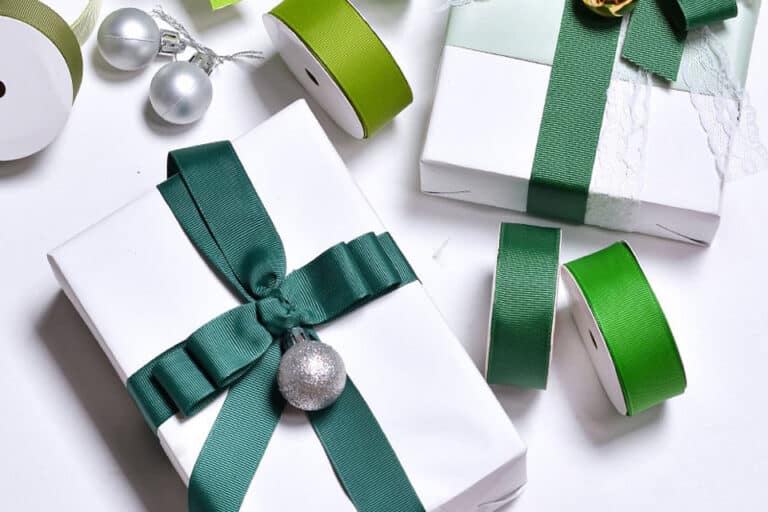
How To Make Ribbon Bows
Table of Contents
Summary
Understanding their material composition, manufacturing techniques, and specific uses is vital to selecting the right ribbon for your needs. This guide provides an in-depth exploration of ribbon categories, types, sizes, and applications.
Ribbons serve as versatile tools for personal and professional projects, offering a wide range of materials, designs, and sizes tailored for various uses. They are crafted using techniques like cut-edge, woven-edge, and wire-edge construction, resulting in products with distinct properties. This article explores ribbon categories, types, dimensions, and practical tips to help you make informed decisions in your ribbon-related ventures.
Ribbon Categories: Manufacturing Techniques and Characteristics
Major Ribbon Manufacturing Techniques
Ribbons can be categorized based on their construction method, which influences their durability, flexibility, and aesthetic appeal.
Cut-Edge Ribbon
Cut-edge ribbons are made by cutting broader fabric strips into desired widths.
- Characteristics: No selvedge (finished edge), prone to fraying without additional treatments.
- Common Use: Craft ribbon for gift wrapping and decorative projects.
- Material: Often crafted from acetate with heat-applied designs.
Woven-Edge Ribbon
This ribbon has selvedge, enhancing durability and providing a polished appearance.
- Types: Satin, grosgrain, silk, and metallic.
- Applications: Ideal for clothing, floral arrangements, and luxurious gift wrapping.
Wire-Edge Ribbon
Wire-edge ribbons incorporate thin wires along their edges or woven into the fabric.
- Advantages: Shape retention, ideal for creating bows.
- Uses: Event décor and elaborate floral arrangements.
Picot Edge Ribbon
Picot edge ribbons feature continuous loops along their edges, creating a vintage aesthetic.
- Material: Often lace or crochet lace.
- Applications: Retro-style crafts and clothing embellishments.
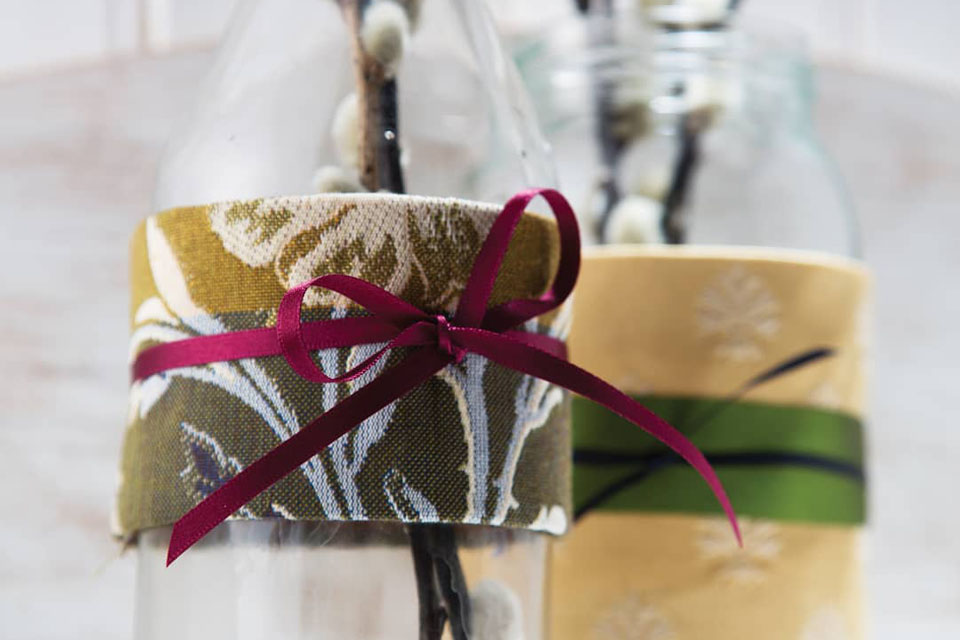
Ribbon Types: Materials and Textures
Exploring the Variety of Ribbon Types
Each ribbon type is defined by its material, weave, and finish. Here’s a detailed breakdown:
Satin Ribbon
- Composition: Made from polyester or silk.
- Forms: Single-faced (smooth on one side) and double-faced (smooth on both sides).
- Common Applications: Weddings, event backdrops, and luxury packaging.
Silk Ribbon
- Features: Luxurious texture, strong and flexible.
- Applications: Clothing, upholstery, and high-end décor.
Sheer Ribbon
This category includes materials like organza, chiffon, and muslin.
- Characteristics: Translucent, lightweight, and drapable.
- Applications: Bridal wear, floral arrangements, and sheer curtains.
Grosgrain Ribbon
- Texture: Ribbed surface with a heavier weave.
- Applications: Scrapbooking, card making, and structural crafts.
Metallic Ribbon
- Composition: Incorporates shimmering threads for a striking appearance.
- Applications: Holiday décor, festive crafts, and gift embellishments.
Taffeta Ribbon
- Features: Crisp with subtle lustre, available in multi-color patterns.
- Uses: Garlands, floral décor, and home crafts.
Twill Ribbon
- Appearance: Distinctive V-shaped weave.
- Applications: DIY crafts, home décor, and sustainable packaging.
Jute and Burlap Ribbon
- Sustainability: Biodegradable and recyclable.
- Common Uses: Rustic-themed events, wedding décor, and eco-friendly packaging.
Tulle & Netting Ribbon
- Composition: Made from silk, nylon, or rayon.
- Uses: Party favors, veils, and event centerpieces.
Nonwoven Ribbon
- Material: Made from long fibers resembling felt.
- Applications: Absorbent, stretchy projects requiring unique textures.
Ribbon Sizes and Their Applications
Size Matters: Understanding Ribbon Dimensions
Ribbon widths vary widely, influencing their suitability for specific applications.
| Width (mm) | Name/Use | Applications |
|---|---|---|
| 1-15mm | Trim ribbon or narrows | Corsages, gift embellishments, scrapbooking |
| 16-40mm | Popular multi-width embellishments | Gift wrapping, layered bows |
| 41-65mm | Medium width | DIY wreaths, home decorations, gift bows |
| 65-100mm+ | Wide ribbon | Garlands, floral designs, large-scale projects |
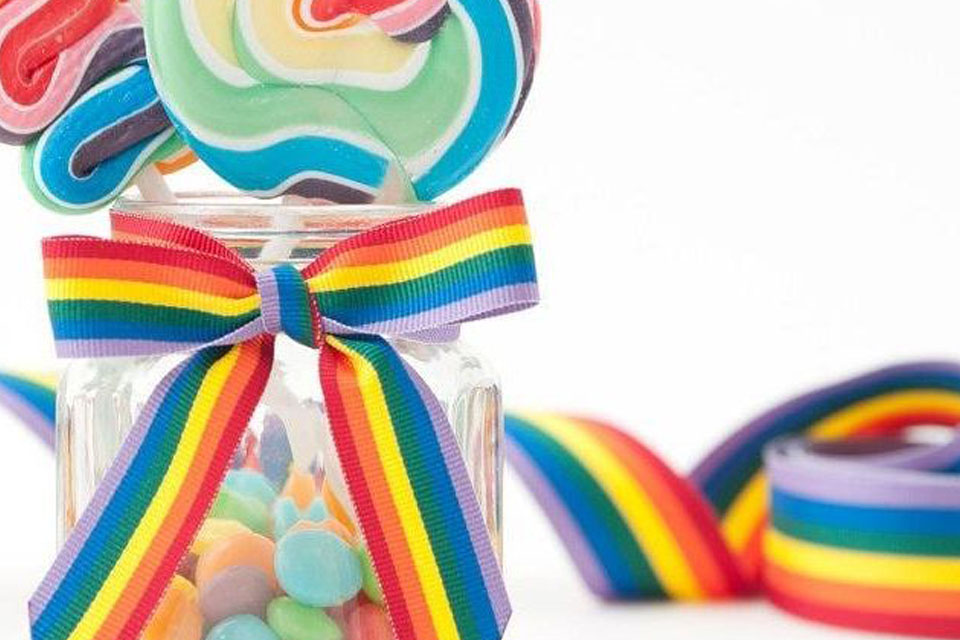
Practical Tips for Ribbon Selection
Considerations for Choosing the Right Ribbon
Material Compatibility
Match the material to the project’s requirements. For example, silk ribbons work well in garments, while jute suits rustic packaging.
Durability Needs
Opt for woven-edge or wire-edge ribbons for long-lasting projects.
Aesthetic Goals
Use metallic ribbons for festive appeal and sheer ribbons for subtle elegance.
FAQs
What type of ribbon is best for floral arrangements?
Sheer ribbons like organza and chiffon are ideal for floral arrangements as they provide a lightweight and elegant finish.
Can ribbons be customized for unique projects?
Yes, many ribbons like satin and twill can be printed or dyed to meet specific design requirements.
How can I prevent cut-edge ribbons from fraying?
Apply a stiffener or use fabric glue along the edges to minimize fraying.
Are jute ribbons environmentally friendly?
Absolutely. Jute ribbons are biodegradable and recyclable, making them an excellent choice for eco-conscious designs.
What is the difference between single-faced and double-faced satin ribbons?
Single-faced ribbons have a smooth finish on one side, while double-faced ribbons are smooth on both sides, offering versatility and a polished look.
Which ribbon type is ideal for structural bows?
Wired-edge ribbons are perfect for structural bows as the embedded wire provides excellent shape retention.
Sheer ribbons like organza and chiffon are ideal for floral arrangements as they provide a lightweight and elegant finish.
Yes, many ribbons like satin and twill can be printed or dyed to meet specific design requirements.
Apply a stiffener or use fabric glue along the edges to minimize fraying.
Absolutely. Jute ribbons are biodegradable and recyclable, making them an excellent choice for eco-conscious designs.
Single-faced ribbons have a smooth finish on one side, while double-faced ribbons are smooth on both sides, offering versatility and a polished look.
Wired-edge ribbons are perfect for structural bows as the embedded wire provides excellent shape retention.
Conclusion
Ribbons are more than decorative accessories—they are essential tools for artistic and functional applications. Understanding their material composition, manufacturing techniques, and intended uses ensures the success of your projects. From the natural beauty of jute to the luxurious appeal of satin, there’s a ribbon type suited for every purpose. Make informed choices to maximize creativity and functionality in your endeavors.
Comments
Ribbons
-
Satin Ribbons
-
Grosgrain Ribbons
-
Cotton Ribbons
-
Organza Ribbons
-
Velvet Ribbons
-
Special Occasion Ribbons
-
Wired Ribbons
-
Festival Ribbons
-
Ribbon Bows
Custom Cases
Blogs
Contact Us
News & Blog
Learn the latest trends and knowledge from the leading manufacturer in China about ribbon business.